
Call us to place an order on - 003301289908 Call us to place an order on - 03301289908

Joy for All Pets: Providing Comfort, Connection and Companionship

Joy for All Pets: Providing Comfort, Connection and Companionship

Many older people living with dementia or other cognitive impairment challenges face loneliness, isolation and anxiety. This can be especially felt by those who unfortunately have to give up their much loved pets due to changes in care and living circumstances, and are either no longer able to house them, or daily animal care is simply not within their capacity.

At Ravencourt, we want to improve the wellbeing and comfort of those who are living with such challenges. Two of our best selling products, the Joy for All animatronic companion cats and pups, emulate the experience of owning a pet, making it simpler and easier, without sacrificing any of the love, relaxation and joy that come from having an animal by your side.

Both pets are realistically designed, with the cats meowing and purring, and the pups wagging their tails and barking. They respond to touch to build interaction and connection, providing people with a comforting companion that can calm anxieties and help them feel more at ease.

The Joy for All origin story

Tasked with exploring a new market, the Joy for All brand was formed in 2015 by Ageless Innovation with the aim to create fun and engaging products for older adults, believing that play knows no age limits. The Joy for All team is passionate about the needs of older adults, and they remain the focus throughout the creative process, with products being made with these individuals solely in mind.

Creating ‘Companion Pets’

After conducting market research on other animatronic animals, the team noted that there was a gap in the market for older adults, as these toys marketed towards children were also being bought for ageing loved ones, with reviews highlighting that they’d had a positive impact on this age group, too. Seeing an opportunity to create their own animatronic companions, the team developed and launched the Joy for All brand and Companion Pet cat in 2015 under Hasbro, which was designed to provide all the comfort of having a pet, without any stress or expensive vet bills.

While creating their Companion Pets, their focus remained entirely on the customer and how their product would improve the care and quality of life of those living with dementia.

Putting people first

Ageless Innovation set out to visit older adults with the Joy for All cats, with the aim to find out their needs and tailor the product to real people. People valued realism in the cats, like the feel of fur and response to touch, particularly the sound and feel of them purring, as this helped in soothing dementia related anxiety. 1:1 ownership was valued, instead of the cats being shared or ‘communal’, as the relationship between pet and owner is deeply personal and oftentimes emotional. Affordability played into this too; if the cats were too expensive, care homes and other organisations would buy fewer, making them shared items and losing that personal touch.

Customer feedback proved to be important to the team after they listened to requests for a Companion Pet dog, eventually releasing the pup later on in 2016. They then expanded further in 2022, releasing the Walker Squawker bird, designed to offer companionship, as well as to create positive and motivational experiences for those living with mobility aids such as walkers.

How Companion Pets change lives

Ageless Innovation’s Joy for All pets have received thousands of testimonials and personal letters highlighting their own/their loved one’s positive experience with Companion Pets. Each of these have shared improvements in an older person's wellbeing, such as bringing them out of their shells and integrating them into their environment, or highlighting that the pets help combat loneliness, isolation and anxiety.

This positive response to the Joy for All cats and pups has been supported by research conducted around the globe. The James Madison University (Virginia, USA) Study highlighted two experiences in particular that showed a marked improvement in the owner’s behaviour, with one participant being described as: ‘withdrawn, rarely interactive, and frequently mumbled incoherently. With the introduction of the pup, the patient would smile, laugh, talk to and pick up the pet. Her son observed that as a result, she was more responsive to him.’[1] While another ‘used to be very agitated when she was in a skilled nursing facility, and…this cat has helped her transition to long-term care.’[2]

Joy for All cat and pup owners have become more engaged with their environments and care givers, as well as feeling that they have more purpose, emphasising the pet’s ability to provide calm and comfort for people,

A partnership with Ravencourt

Ageless Innovation began working with Ravencourt in 2019, eventually making us the UK’s sole distributor of Companion Pets. Ageless Innovation’s CEO Ted Fischer noted that: ‘Ravencourt’s heart was really in it, they understood the market well.’

We value making a positive difference in people’s lives. Jodi Sanders, Managing Director at Ravencourt says:

“Helping people regain their joy by easing difficulties that can come from living with dementia is at the heart of what we do. The Joy for All Companion Pets are a perfect example of a product that can improve the lives and wellbeing of older people, providing them with meaningful connection, comfort and enjoyment.”

Discover how Companion Pets provide comfort

Joy for All pets are a cost effective, interactive tool sensitively designed to improve quality of life in those living with dementia and those with other sensory needs. Find out more about the cats and pups through our website today.


[1] Effects of a Robotic Cat on Agitation and Quality of Life in Individuals with Dementia in a Long-Term Care Facility, James Madison University, 2018.

[2] Effects of a Robotic Cat on Agitation and Quality of Life in Individuals with Dementia in a Long-Term Care Facility, James Madison University, 2018.
Read more

Preventing Falls Before They Happen: How Bide Promotes Greater Independence and Safer Nights

Preventing Falls Before They Happen: How Bide Promotes Greater Independence and Safer Nights

Getting out of bed at night can be difficult for many older adults and those with medical conditions that impair their mobility, balance, or cognitive abilities. A brief moment of confusion, hurrying to the bathroom or neglecting to utilise a walking aid can result in a fall.

One of the biggest causes of injuries, medical hospitalisations, and loss of independence among the elderly continues to be falling. Beyond the physical effects, there is a negative influence on confidence, which can make daily activities stressful and add emotional strain to family and caregivers.

At Ravencourt, we believe people shouldn't have to sacrifice their independence to stay safe. That's why we're proud to offer products that support people to live more confidently in their own homes, and why Bide stood out as a practical solution.

Helping to prevent falls before they happen

For people at risk of falling, the night can be one of the most vulnerable times of day. Waking feeling drowsy or disorientated, forgetting to use a walking aid or standing up too quickly can all increase the risk of a fall, often with life-changing consequences.

After more than 30 years as a GP, Dr Tom Adler recognised that while many technologies focus on detecting falls after they happen, very few are designed to help to prevent them in the first place.

"During my career as a GP, I saw the impact that falls could have on people's lives. It wasn't just the physical injuries that concerned me; it was the loss of confidence and worry it created. By launching this falls prevention device, I believe it has the potential to reduce night-time falls whilst providing reassurance for both the user and their loved ones."

Dr Tom Adler, Co-founder and Creator of Bide.

That way of thinking served as the basis for Bide. Instead of depending on sophisticated technology or ongoing monitoring, Bide simply plays reminder messages which prompt users to stop, reorient, and make safer choices before getting out of bed.

How does Bide work?

Bide sits next to the bed and senses when a person has woken up in the night.

A family member, caregiver, or support worker can record the device's customised audio cues, which are combined with a gentle visual traffic-light system. These well-known slogans can be customised for each person and may serve as reminders to:

  • Take your time.
  • Before getting up, take a seat on the edge of the bed.
  • Remember to use your walking stick.
  • Press the call bell.
  • Ask for help if you need it.

In the dark, Bide’s initial traffic light system (red-green) provides an additional visual cue to help people pause before getting up. Bide then acts as a bedside light supporting users to be more aware of their surroundings.

Bide is unique as it places equal emphasis on reassurance and guidance. In times of restlessness and anxiety in the middle of the night, hearing a loved one's familiar voice can reassure and promote safer routines. These cues also allow individuals to learn behaviours that promote safer mobility and more self-assurance at night.

Technology performs best when it integrates seamlessly into daily life. Bide has been designed to be accessible, intuitive and easy to use across a range of settings, including private homes, care homes and hospitals. Its straightforward design means the focus remains where it should be: supporting people to live safely and confidently.

Supporting independence for individuals and reassurance for families

A fall's consequences frequently go far beyond the injury. Many people have a persistent fear of falling again, which makes them less assured in their ability to move and more dependent on others for assistance. These worries are common among families and carers, especially when a loved one lives alone or moves about at night.

This device is especially beneficial for:

  • Older adults.
  • Those with cognitive impairment or dementia
  • People who have trouble balancing or have limited movement
  • People recovering from illness, surgery or injury
  • Anyone more vulnerable to falls at night

Bide was tested in homes, assisted living facilities, and healthcare settings.

Positive results for both users and caregivers, such as a decrease in falls and an increase in confidence when moving at night, have been reported by early feedback.

Innovative Solutions for Everyday Living

At Ravencourt, we handpick products that make a real difference to people's daily lives.

"Every product we offer at Ravencourt has to answer one simple question: will it make a meaningful difference to someone's everyday life? Bide does exactly that.

"We know that getting out of bed at night can become a source of worry for individuals and their loved ones. Bide is a thoughtful solution that helps to reduce the risk of falls and gives people greater confidence while providing reassurance to those who support them. Helping people live with dignity, confidence and as much independence as possible is at the heart of everything we do, and Bide is a wonderful example of that commitment."

Jodi Sanders, Managing Director at Ravencourt

Bide represents that commitment by solving a challenge that impacts millions of people in a way that is straightforward, practical and person-centred. As opposed to waiting until after a fall, it offers an opportunity to encourage safer decisions.

As more people explore ways to stay independent at home for longer, preventative solutions like Bide encourage confidence, wellbeing and quality of life.

Discover how Bide can support safer nights and greater independence.

Designed to help reduce the risk of nighttime falls, Bide offers a simple way to support safer movement at home.

Find out more about Bide today.

Read more

Caring for People with Dementia During Winter: Tips for the Colder Months

Caring for People with Dementia During Winter: Tips for the Colder Months

Caring for People with Dementia During Winter: Tips for the Colder Months

As winter sets in, the challenges faced by people living with dementia and their carers can increase. Shorter days, lower temperatures, and the festive season can all impact routines, creating more opportunities for confusion, disorientation, and even potential health risks. Here, we’ll explore a few simple ways to make the winter months a little safer and more comfortable for those with dementia.

Read more

Living with Arthritis

Living with Arthritis

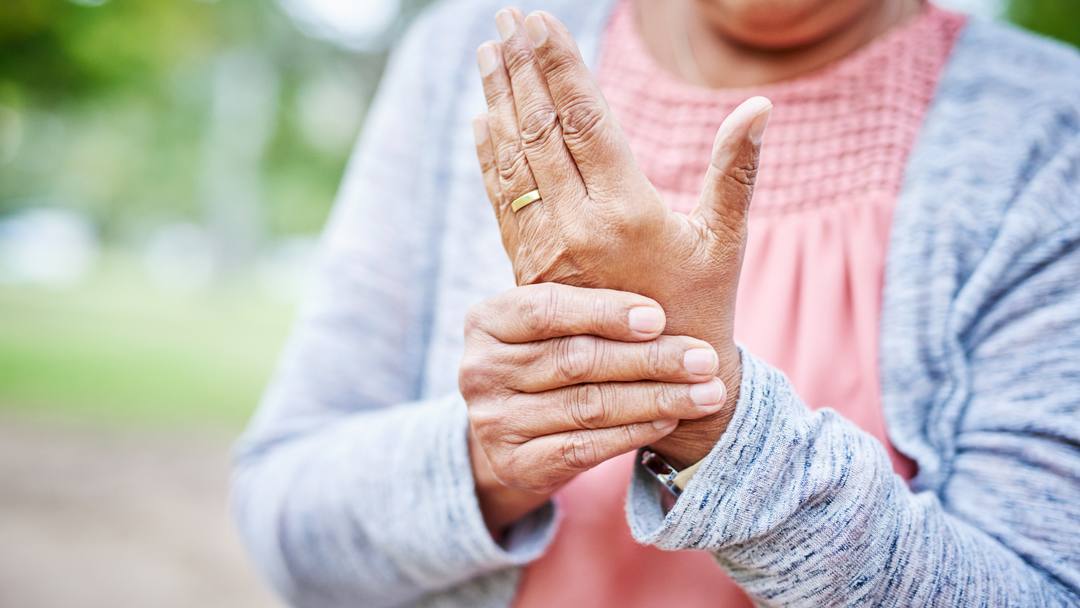
There are many daily living aids available that can help individuals with arthritis live more independently and comfortably for longer. These aids are designed to reduce the strain on joints and make daily tasks easier to perform.


Read more

Benefits of Seniors and Children Spending Time Together

Benefits of Seniors and Children Spending Time Together

Companionship is a great feeling that can improve the quality, social engagement between generations can bring mutual benefits. It is known that social interaction and meaningful activities gives us all a sense of wellbeing and better quality of life.


Read more

